

Agra is one of India’s most celebrated heritage destinations, known for its magnificent Mughal architecture, rich history and vibrant local culture. While the Taj Mahal is the city’s most famous landmark, there are many more things to see in Agra, from the red sandstone walls of Agra Fort to the delicate marble inlay of the Baby Taj and the peaceful gardens overlooking the Yamuna River.
Beyond its grand monuments, Agra offers lively bazaars, traditional sweets, intricate handicrafts and glimpses of everyday life in one of India’s historic cities. Whether you are visiting on a day trip from Delhi or planning a longer cultural journey, knowing which places to prioritise will help you make the most of your time.
For most first-time visitors, one full day is enough to see the main highlights at a comfortable pace, while two days allow more time for lesser-known monuments, local experiences and nearby historic sites.
Facts about Taj Mahal
You can not really do Uttar Pradesh and miss the Taj Mahal. Most people notice the form first, but the site has more layers than that. These points explain why it holds such a strong place and why you must visit it if you are going to Agra for one day.
- A tomb made after a loss: Mughal Emperor Shah Jahan had the tomb built for his wife Mumtaz Mahal. She passed away in 1631.
- Massive effort from many hands: The build used more than 20,000 workers, such as artisans and masons. To move materials, helpers used over 1,000 elephants.
- Tricks in design: The main building stays balanced when you view it from four sides. The four minarets tilt out a bit. This is meant to help the dome if an earthquake happens.
- Stone inlays made to last: The white marble walls include semi-precious stones set into floral patterns. This style is called pietra dura.
- Marble that changes with the light: The marble color shifts through the day. It looks pale pink in the early hours, bright white at midday, and warm gold when moonlight falls.
Essential Taj Mahal Timings & Visitor Tips
To get the most from your trip, note these simple points including the Taj Mahal timings.
- Taj Mahal hours: The entrance opens 30 minutes before sunrise. It shuts 30 minutes before sunset.
- When it is closed: Every Friday, the Taj Mahal is shut for general visitors. It stays open only for prayers in the afternoon at the nearby mosque.
- When to go: Try to arrive at sunrise. You can dodge large crowds. You also miss the harsh midday heat. Plus, the marble looks best in early light.
- Tickets: Check the official Taj Mahal website for current ticket prices, entry conditions and any additional charges before travelling.
- Photography: Follow the site’s photography and security rules, particularly inside the main mausoleum.
The Best Places to Visit in Agra in One Day
If your time is tight, you can still plan a solid route. Below is a short list of top stops for one day in Agra.
1. Taj Mahal
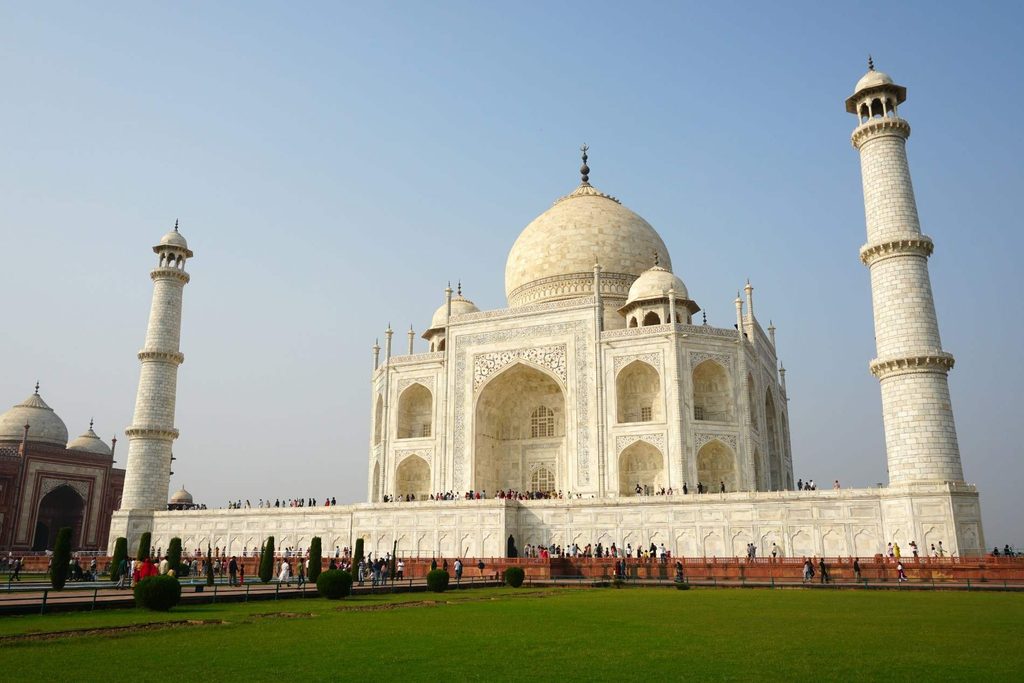
The Taj Mahal is the essential first stop for most visitors to Agra. Commissioned by Shah Jahan in memory of Mumtaz Mahal, this ivory-white marble mausoleum is admired for its enormous central dome, symmetrical gardens, intricate calligraphy and detailed stone inlay.
Allow approximately two to three hours for your visit, including entry, security and exploring the main complex. Allow additional time during busy periods.
2. Agra Fort
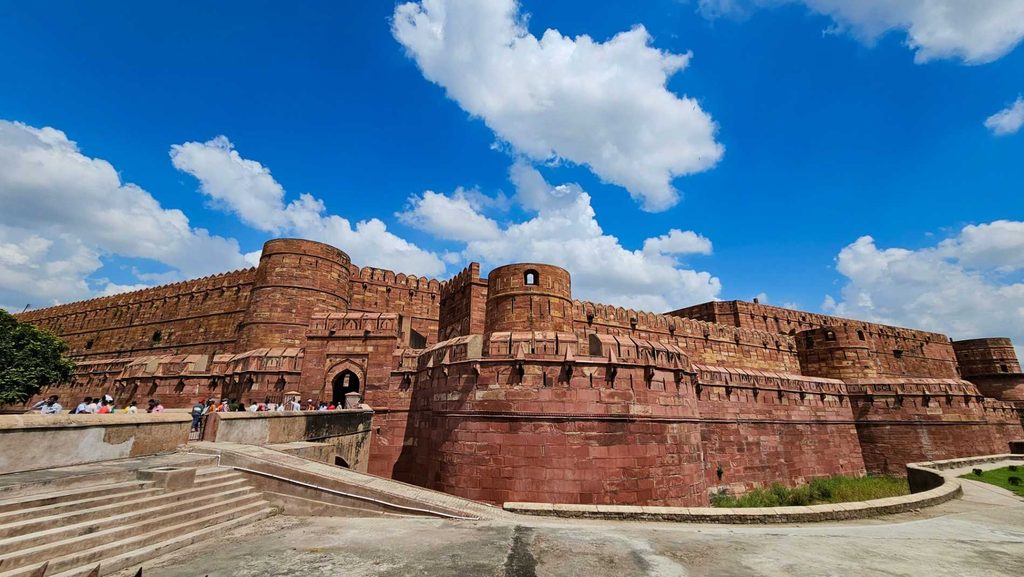
Agra Fort sits along the Yamuna River. Long ago, it served as the home of Mughal rulers, before the capital moved to Delhi. The fort was made mainly from red sandstone, starting in 1565 under Akbar. Inside, it feels like a full town inside a wall. You can see the Diwan-i-Am, which was for public audiences.
There is also the Diwan-i-Khas for private audiences. Another highlight is the Musamman Burj, a tower with marble details. It is the place where Shah Jahan spent his last years, watching over the Taj Mahal.
Agra Fort is especially worthwhile for visitors who want to understand Mughal political life and architecture beyond the Taj Mahal. Allow around 1.5 to two hours, depending on your interest in history.
3, The Tomb of I’timad-ud-Daulah, also called Baby Taj
This tomb is known by many as the Baby Taj. It was built by Empress Nur Jahan for her father, Mirza Ghiyas Beg. It came before the Taj Mahal. The structure was the first Mughal tomb made entirely from white marble. It also has detailed pietra dura inlay work. Many people see it as an early design step that shaped the Taj Mahal.
Allow approximately 45 minutes to an hour. It is an excellent addition to your itinerary if you enjoy architecture, photography or historical monuments.
4, Jama Masjid of Agra
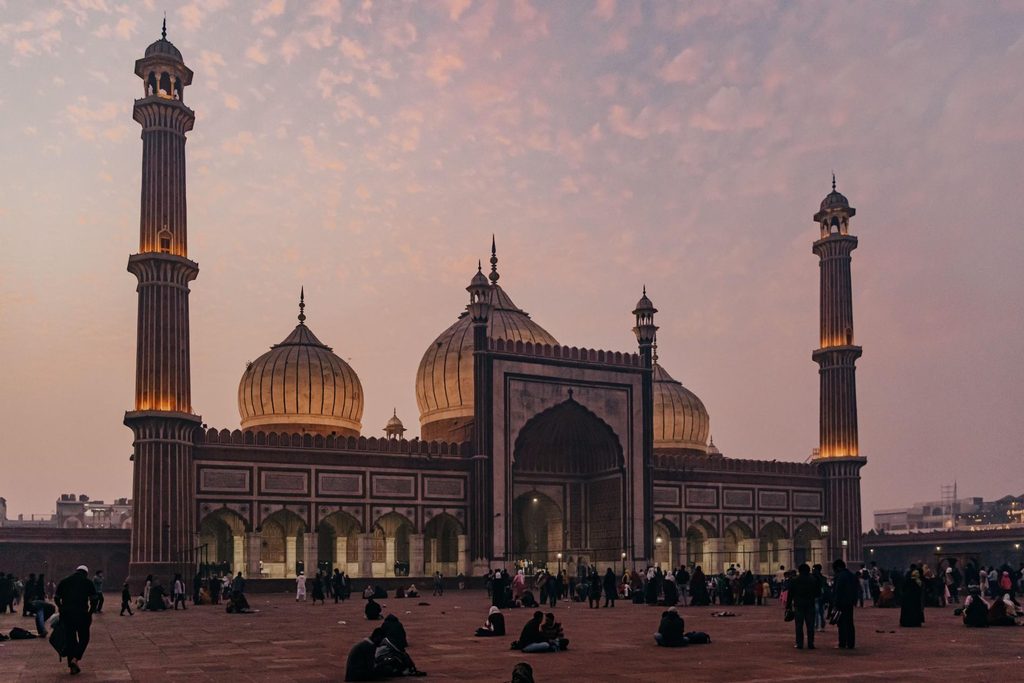
Shah Jahan had this mosque built for his daughter, Jahanara Begum. It is right across from Agra Fort. The mosque is made with red sandstone. White marble work runs in zigzag patterns along the walls. Even now, it is still a major place for worship in the area.
Check current access arrangements before visiting, and dress modestly when entering religious spaces.
5. Local Markets and Sadar Bazaar
After you finish the old sites, head to Sadar Bazaar. Walk through the lanes and watch daily life unfold. You can find handmade leather items, brass products, and quick local snacks. This is a good place to grab simple, real souvenirs before you leave.
If you plan to shop, compare prices at more than one store, agree on the price before purchasing and ask about the material and craftsmanship of handmade products. Allow time to explore without rushing, as market traffic can be busy.
Best Agra Tourist Places and Nearby Attractions
If you have time for more than one day, the nearby places add more context to Mughal history.
1. Fatehpur Sikri
Fatehpur Sikri sits about 40 km from Agra. Emperor Akbar set it up in 1571. It was a Mughal capital for a short time. The area is known for its red sandstone buildings. Two highlights are the grand Buland Darwaza and the quiet marble tomb of Sheikh Salim Chisti.
It is best treated as a separate half-day excursion rather than a quick stop between the main attractions in Agra. Factor in road travel in both directions, time for sightseeing and possible delays.
2. Sikandra, Akbar’s Tomb
Sikandra is about 10 km from the main city area. It holds the tomb of Akbar the Great. The design mixes Islamic and Hindu themes, with touches from other traditions as well. The tomb sits in gardens where deer can be seen.
Allow around 45 minutes to an hour, subject to your pace and current access conditions.
3. Mehtab Bagh
It sits on the other side of the Yamuna from the Taj Mahal. The gardens curve in a crescent shape. Many people go there to take photos, especially when the sun is low in the evening.
Late afternoon is a popular time to visit, but the best light depends on weather and season. Check the garden’s current opening arrangements before planning a sunset visit.
Travel tips for Agra
Plan your day so it feels easy and smooth while you cover all the monuments in Agra to visit.
1. Getting around
You can use auto-rickshaws and taxis in the city. Ride apps like Uber and Ola also work well.
2. When to go
The best months are from November to February. Days are cooler and skies are clearer. That makes walking tours much nicer.
3. Where to eat
Look for local street snacks. Try petha, the sweet made from ash gourd. You can also try North Indian kebabs in the busier market areas.
Continue through North India
Agra is a key stop on the Golden Triangle route. This trip links New Delhi, major historic sites, and parts of the desert landscape.
Most visitors go to New Delhi before heading to Agra. In the capital, there are famous places to see. Make sure to include these best places to visit in new delhi, which are Red Fort, Qutub Minar, Humayun’s Tomb, India Gate, and the busy lanes of Old Delhi. Seeing these areas first helps you notice how the region’s buildings and styles changed over time.
Visiting Delhi and Agra together helps place the Mughal monuments in a broader historical context, while Jaipur adds the distinctive forts, palaces and traditions of Rajasthan. The best route and length of stay depend on your arrival time, travel dates and interests.
Also read – Best time to visit New Delhi
How to Spend One or Two Days in Agra
One day in Agra: Begin with the Taj Mahal at sunrise, then visit Agra Fort. After lunch, explore the Baby Taj if time allows. You can finish with Mehtab Bagh or a short market visit, depending on your interests, closing times and transport arrangements.
Two days in Agra: Spend the first day exploring the Taj Mahal, Agra Fort and selected attractions in the city. On the second day, visit Sikandra, Chini Ka Rauza or other sites that interest you. If Fatehpur Sikri is a priority, reserve a substantial part of the day for the excursion instead of trying to fit every attraction into the same schedule.
If you have only one day, prioritise the Taj Mahal and Agra Fort. Treat the other attractions as optional rather than rushing through all of them.
FAQs
What are the top things to see?
The main highlights are the Taj Mahal, Agra Fort, the Tomb of I’timad-ud-Daulah, Mehtab Bagh and Jama Masjid. If you have additional time, consider Akbar’s Tomb at Sikandra, Chini Ka Rauza and local markets.
Is one day enough to visit?
One day is enough to see the Taj Mahal and Agra Fort, with time for one or two additional stops if you plan carefully. Two days allow a more relaxed visit and more opportunities to explore the city’s wider heritage.
Can I visit the Taj Mahal and Agra Fort on the same day?
Yes. They are relatively close to each other, and many visitors see both in one day. Start early, allow sufficient time for security and sightseeing, and check opening arrangements for your travel date.
Is the Taj Mahal open every day?
The Taj Mahal is closed to visitors every Friday. Check official visitor information before finalising your itinerary, especially if your travel dates are fixed.
What is the best time of year to visit?
November to February is generally cooler for sightseeing, although winter fog may affect visibility and transport. Hotter months require more care with outdoor activities and hydration.
Is Fatehpur Sikri part of Agra?
Fatehpur Sikri is a separate historic destination approximately 40 kilometres from Agra. It can be visited as an excursion, but you should allow additional time for the road journey and sightseeing.
Plan Your Journey with Us!
Want to see these places in person? Book a ready made 3 day Golden Triangle Tour, which covers Delhi, Agra, and Jaipur.
Contact Taj Destination Tours to discuss your travel plans and find out which itinerary best suits your visit.

Jumman Khan
Jumman Khan is the CEO of Taj Destination Tours with 15+ years of expertise in creating unforgettable travel experiences across India. Since 2017, he has guided 8,000+ travelers through customized Golden Triangle, Rajasthan, and luxury tour packages.