
India’s classic tourist circuit comprises Delhi, Agra, and Jaipur and features historical cities, castles, and forts, among others. When deciding the right month to go on this tour, think of convenience and aesthetics, and remember the memorable experience of the trip.
For international travellers visiting India for the first time, choosing the right season is particularly important. Weather conditions can affect sightseeing, road journeys, photography and the overall comfort of your holiday.
When to go?
The Best Time to Visit Golden Triangle India is anytime between October and March when the weather of North India is favorable, that is, when it is neither too hot nor too cold.
For first-time international visitors, late October to November and February to early March are particularly good periods. December and January are also popular, but travellers should be prepared for cold mornings and occasional fog, especially around Delhi and Agra.
1. Winter (October to March): The Ideal Time to Go:
The climate in North India is characterized by a daily average temperature of 10-25 degrees in winter and autumn. The mild temperature helps visitors easily walk across large fortresses and outdoor marketplaces.
However, temperatures vary between Delhi, Agra and Jaipur and can change considerably between mornings and afternoons. Travellers should check the local weather forecast before departure and pack accordingly.
2. October & November:
With the monsoon weather, there comes humidity. The humidity clears up in autumn and creates cooler conditions. Autumn is when North India celebrates the festive seasons like Diwali.
These months are particularly suitable for exploring historical monuments, traditional markets and outdoor attractions. Diwali, the festival of lights, is a wonderful cultural experience for international visitors, with decorated streets, illuminated homes and traditional celebrations. However, festival dates change each year, and popular travel dates can be busy.
3. December & January:
With winter there come colder temperatures, making it a good time for walking tours. Along with winter come colder afternoons and misty mornings in some locations. Most days are clear and sunny. Remember to pack warm woollens as it gets really cold.
One important thing to consider during December and January is winter fog. Delhi and Agra can occasionally experience dense fog, which may affect visibility during an early-morning visit to the Taj Mahal. Fog can also cause delays to flights and trains. If watching the Taj Mahal at sunrise is important to you, keep some flexibility in your Agra sightseeing schedule.
Despite these occasional conditions, winter remains a popular period for international visitors because daytime sightseeing is generally more comfortable than during the summer months.
4. February & March:
Considered the best months, February brings warm, comfortable weather along with the blossoms. March is known for the world renowned spring festival of colours, Holi.
February is particularly attractive for exploring the forts, palaces and markets of Delhi, Agra and Jaipur. March gradually becomes warmer as summer approaches, so early-morning sightseeing is recommended. If you are interested in experiencing Holi, check the festival dates before booking your holiday, as celebrations can affect local transport and accommodation demand.
5. Summer (April to June): Advantageous Off-season Travel
Fast transitioning into summer, the temperature can quickly exceed 40 C. Daytime outdoor activities are tiring. However, early risers enjoy substantial off-season benefits and stay in luxurious accommodations for low rates.
April is generally more manageable than May and June, while late May and June can bring particularly intense heat in Delhi and Agra. If you plan to travel during this period, start sightseeing early in the morning and avoid extended outdoor activities during the afternoon.
Choose air-conditioned transportation and accommodation, carry drinking water and allow time to relax between sightseeing activities.
6. Monsoon Season (July to September): The Scenic
Rain can wash away a hot and dry season. When the land begins to change from dry and dusty to vibrant green, there’s humidity and some rain that is appreciated and actually adds to the scenery for many. Rain changes the mood in the sky. For a photographer this offers some dramatic, moody backdrops that allow for unique pictures that don’t involve other people that tend to be crowded and loud.
The monsoon season offers a different experience of the Golden Triangle. The surrounding countryside becomes greener, and occasional rain showers create beautiful photography opportunities. However, humidity, wet roads and heavy rainfall can sometimes affect outdoor sightseeing and travel schedules.
Also read – First-Timer’s Guide to the Golden Triangle in India
Destination Spotlights: The Top Attractions You Just Can’t Miss!
You just can’t travel without planning in advance. For this, you must know the best time to visit Delhi Agra Jaipur.
Although Delhi, Agra and Jaipur are part of the same tourist circuit, weather conditions and sightseeing experiences can differ between the three destinations. Understanding these differences will help you plan your daily activities more comfortably.
The New Delhi Experience
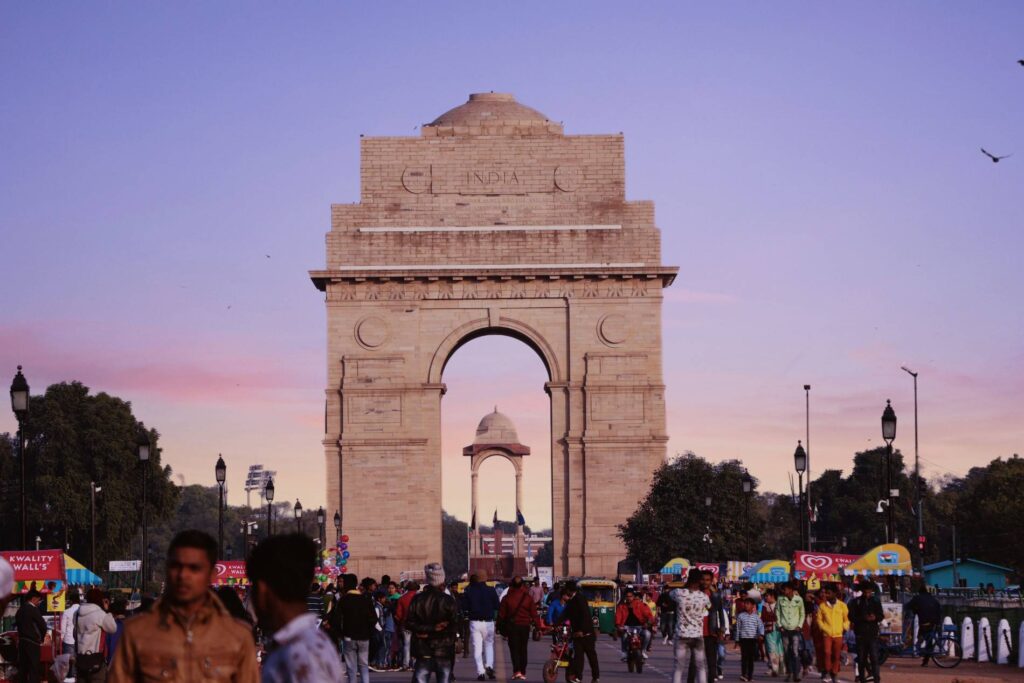
In India’s capital city, ancient history blends seamlessly into broad and modern avenues. The best time to visit New Delhi for sightseers and culture seekers is in Autumn and Winter when temperatures are cooler and exploring spaces such as Chandni Chowk and visiting the Humayun’s Tomb and Qutub Minar is more pleasant.
The Agra Experience
One of the world’s most iconic attractions, The Taj Mahal, is best enjoyed early in the day in the winter. Exploring in the early morning means you miss the afternoon crowds and the heat of the day.
The Jaipur Experience
One of India’s most colorful cities, Jaipur is even better during the winter. Explore the forts above and walk the bazaars and markets. It’s also better in the daylight.
The Best Sights in The Golden Triangle
There’s a lot more to explore beyond the most popular sites. In the area of the country between Agra, Jaipur and New Delhi, you will discover stunning rural countryside, beautiful religious sites, and feats of architectural history.
Visit Fatehpur Sikri
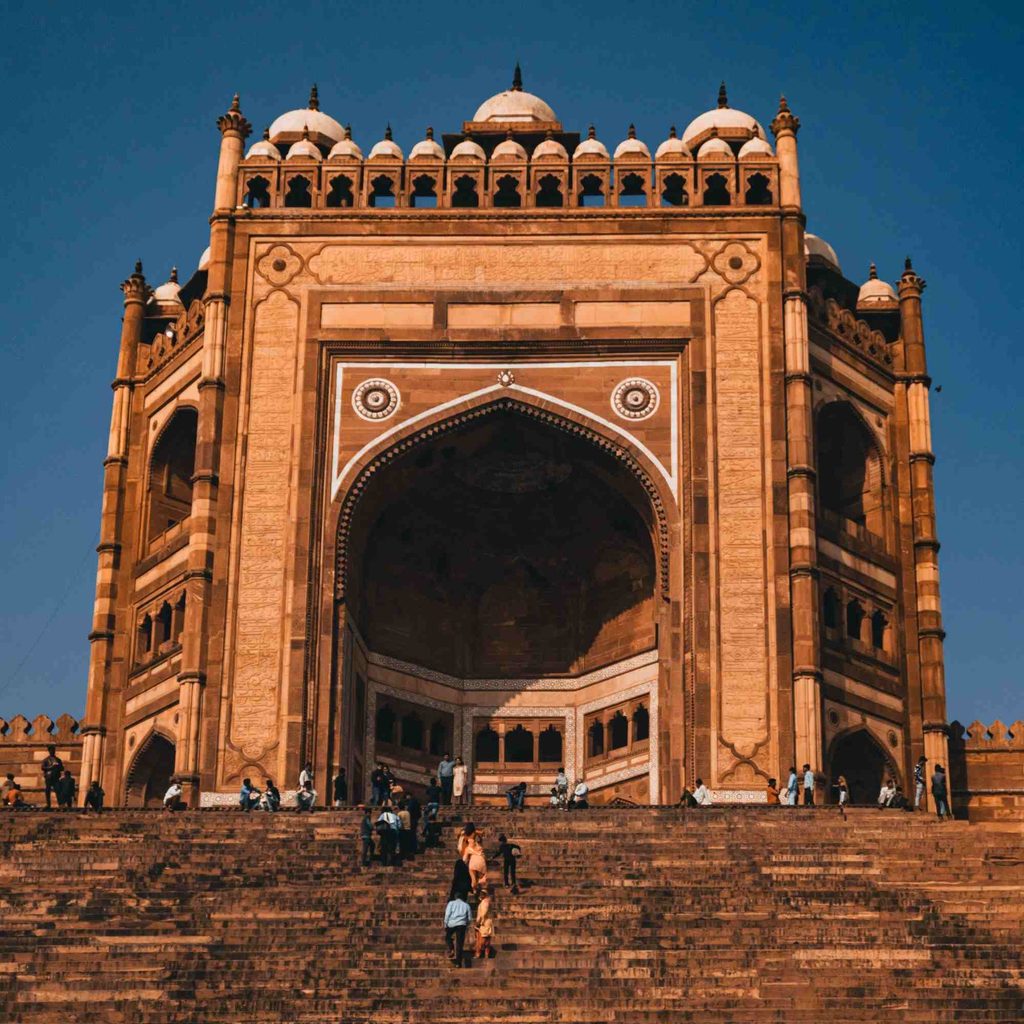
Just 40 km from Agra, Fatehpur Sikri is an Emperor’s capital city, that’s actually a desert ghost city that is constructed in red sandstone and was commissioned in the 16th century. A visit to Fatehpur Sikri will introduce you to Buland Darwaza, the massive, magnificent gateway entrance of the capital, the Jama Masjid, and of course the white marble, finely sculpted Tomb of Chishti.
Take a Look at Abhaneri’s Chand Baori
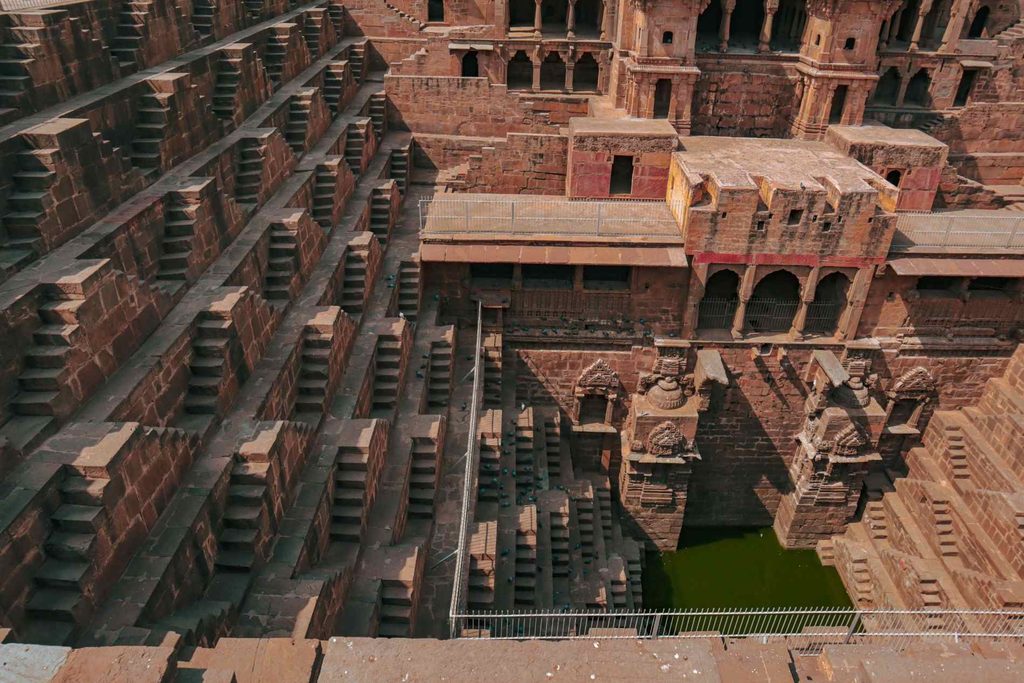
Located in Abhaneri village which is halfway between Agra and Jaipur, Chand Baori is the deepest stepwell in the country. An engineering wonder from the old days that features a series of narrow steps, of which there are 3,500, designed across 13 perfectly proportional storeys.
Relaxing in the Countryside at Dhula
For a nice contrast to the hustle and bustle of city sightseeing, try going on an excursion from Jaipur to Dhula. There, among the quiet, relaxing, and rural environment, is the possibility for block-printing and other crafts of the village as well as enjoying traditional performances and cooking in the region.
Ancient Fortress and Palace
- Old Delhi and Red Fort: Old Delhi and its Red Fort offer an amazing look into India’s imperial Mughal history. The spice markets surround the fort.
- Agra’s Taj Mahal and Agra Fort: Admire the exquisite, white marble beauty of the Taj Mahal and visit the fortress in red sandstone next door.
- Jaipur’s Amber Fort and Sheesh Mahal: Travel to Jaipur to the fort with a royal mirror palace.
These attractions are particularly enjoyable during the cooler months, when you can spend more time exploring their courtyards, architecture and historical surroundings without the discomfort of extreme summer heat.
Planning your India Trip
If you plan a trip to India, then make sure to keep in mind a few things:
1. How long do you need?
Recommended Trip Duration: 5-7 Days
India’s Classic Itinerary: 2 Days Delhi, 1-2 Days Agra, 2 Days Jaipur, and then return to Delhi for flight.
For first-time international travellers, a seven-day itinerary can provide a more relaxed experience, with sufficient time to explore the main attractions in each city. A five-day itinerary is also possible, but the sightseeing schedule may be relatively fast-paced.
Remember to consider your international flight arrival and departure timings. If you arrive in Delhi late at night or have an early-morning departure, you may need additional time to accommodate your flights and hotel arrangements.
2. Budget for your Trip
Prices for each India budget will vary. Here is the usual travelling cost to India:
- Budget: $35-$55 a day. You will stay in local guesthouses/hostels, travel on trains, eat street food and shop in the local markets.
- Mid-Range: $75-$155 a day. You can enjoy your trip by staying in a nice 3-4 star hotel and taking a private car for your transport and sight-seeing.
- Luxury: $260- $650 a day and above. This level of travel is all about pampering and convenience. You will stay in world class palaces and be treated to the best in hospitality.
3. How to Travel Between Delhi, Agra and Jaipur
Transportation is another important consideration for international visitors planning their first Golden Triangle trip. There are several ways to travel between the three cities, depending on your budget and preferred travel style.
a) Private Car with Driver: A convenient option for first-time visitors who prefer comfortable transportation, flexible sightseeing and hotel-to-hotel transfers. It is particularly useful if you want to visit additional attractions such as Fatehpur Sikri and Chand Baori along the way.
b) Train: Travelling by train is another popular option, especially between Delhi and Agra. Express services such as Gatimaan Express and Shatabdi Express can make intercity travel convenient. Always check the latest schedules and availability before booking.
c) Local Transportation: Taxis and app-based transportation services can be useful for exploring individual cities and travelling between hotels and attractions.
Important Travel Tips
- Book Early: The high season is from November through February and all the top choices fill up fast. Get your train tickets for all legs of your trip well ahead of time. I would suggest booking the express trains (like the Gatimaan or Shatabdi Express).
- Closing time: Keep in mind that the Taj Mahal is closed on all Fridays. Make sure you don’t book your dates for Agra so you’ll be there on a Friday.
- Layered Clothing: In the winter, you’ll need to account for temperatures in the mornings that can get as low as 5°C, but by the afternoons, you’ll be happy to have layers, as the weather stays sunny and gets as warm as 24°C.
Experience the Beauty of India!
Get the glimpse of the most scenic architecture and a vibrant history by choosing our iconic Golden triangle packages from Delhi. With us, you can easily choose flexible travel dates, local guided tours, luxury accommodation, and a lot more. We provide complete support throughout the tour. Book your trip now with Taj Destination Tours!
Whether you are visiting India for its magnificent historical monuments, colourful festivals, royal architecture or cultural experiences, choosing the right season will help you make the most of your Golden Triangle holiday. Plan your travel dates according to your preferences and enjoy an unforgettable journey through Delhi, Agra and Jaipur.
FAQs
Is January too cold to visit the Taj Mahal?
No. January is a popular time to visit the Taj Mahal. However, early mornings can be cold and foggy, which may sometimes affect visibility.
Is February better than March for a Golden Triangle tour?
Both months are good options. February generally offers more consistently comfortable sightseeing conditions, while March becomes warmer as summer approaches.
Can I visit the Golden Triangle during summer?
Yes. Summer travel is possible, but April, May and June can be extremely hot. Plan early-morning sightseeing, choose air-conditioned transport and accommodation, and avoid spending extended periods outdoors during the afternoon.
Which city should I visit first: Delhi, Agra or Jaipur?
Delhi is generally the most convenient starting point for international visitors because it is a major international arrival hub. From there, you can travel to Agra and continue to Jaipur before returning to Delhi.

Jumman Khan
Jumman Khan is the CEO of Taj Destination Tours with 15+ years of expertise in creating unforgettable travel experiences across India. Since 2017, he has guided 8,000+ travelers through customized Golden Triangle, Rajasthan, and luxury tour packages.